Reading in Translation: What We Gain When We Leave Our Own Language Behind
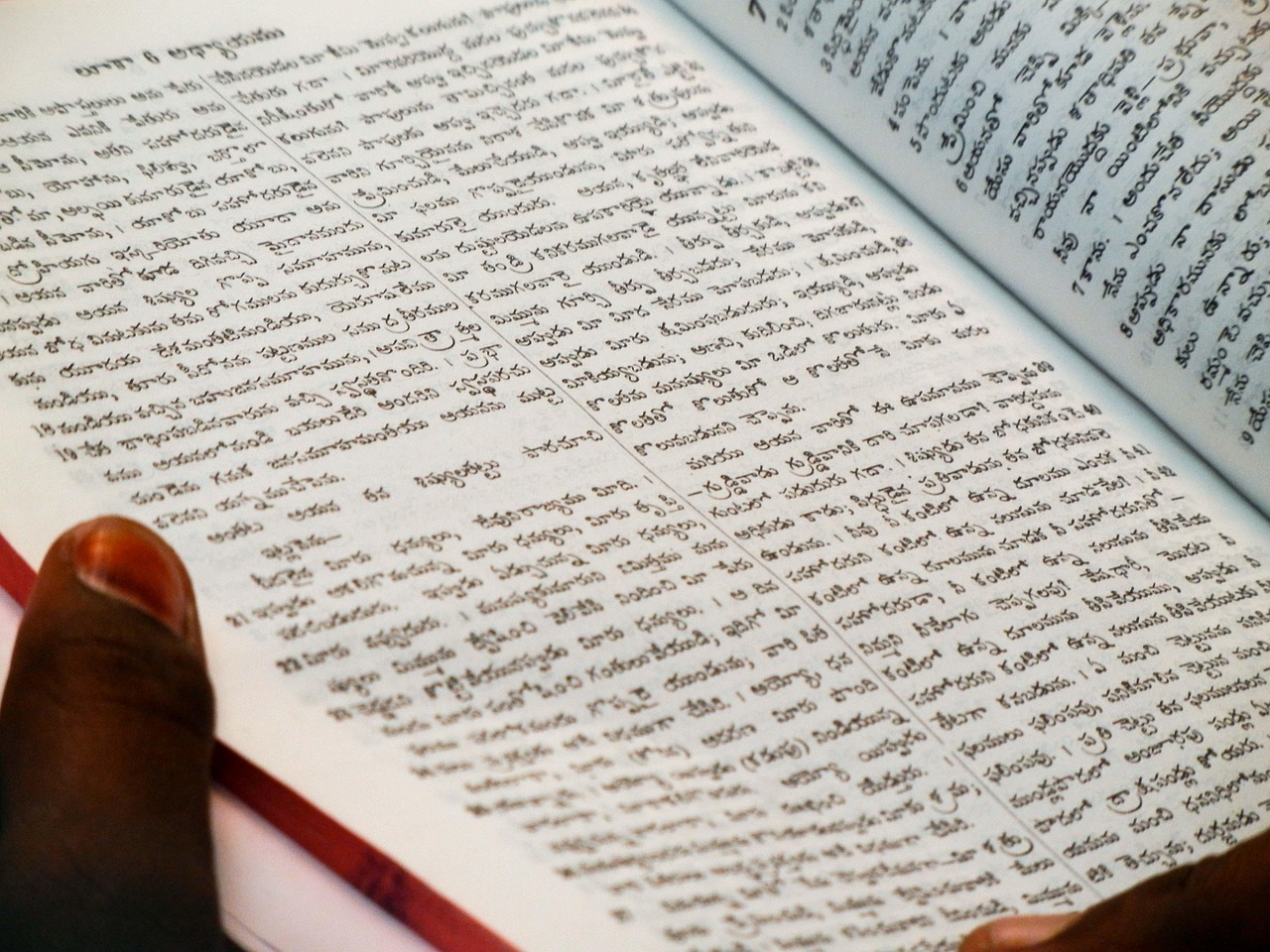
There's a quiet assumption in much of the English-speaking reading world: that if a book were truly great, it would already be in English. The assumption is wrong, and the numbers make the point gently but firmly. Only a small fraction of the books published each year in the United States and the United Kingdom are works in translation. Meanwhile, readers in many other countries routinely read across borders, picking up authors from dozens of languages without a second thought. The imbalance isn't about quality. It's about habit, marketing, and the invisible walls we build around our own bookshelves.
Reading a translated novel is a different experience from reading one written in your first language. You are, in a sense, reading two writers at once: the original author and the translator who carried the work across. This isn't a flaw to be tolerated. It's an invitation.
The Translator as Cowriter
Good translation is not a word-for-word substitution. It's an act of recreation. Idioms don't survive a literal crossing. Rhythm, humor, and tone are all tied to the sounds and structures of a language, and a translator has to rebuild them from the ground up so that the result feels alive in a new tongue. When it works, you forget you're reading a translation at all. When it works brilliantly, you start to notice that the sentences have a texture you don't quite find in books written originally in English.
This is why translator credits matter. A novel's translator is not a technician but a partner in the making of the book you're holding. Celebrating their names, and seeking out translators whose work you love, is one of the simplest ways to read more widely and more thoughtfully. Some readers even follow translators the way they follow authors, trusting that anyone who brought one great book into English will do it again.
What We Learn From Other Perspectives
The deeper reward is perspective. Fiction written in another language often carries assumptions, histories, and ways of seeing that simply don't exist in English-language literature. Family structures, humor, grief, politics, the shape of a day: all of it can look different when filtered through another culture's storytelling traditions. Reading widely is one of the few ways to step outside your own default settings without leaving your chair.
For book clubs, translated fiction is a gift. It invites questions about language itself, about what gets lost and what gets found, about why certain stories travel easily and others don't. Members who have some knowledge of the original language can share what changed. Members who don't can still feel the difference in the prose.
Start small. Pick one translated novel this year, maybe a slim one, and read it alongside something familiar. Notice how it feels. Then pick another. The world's literature is vast, and most of it is waiting just on the other side of a single, generous act: trusting a stranger to bring you a story in words you can finally understand.